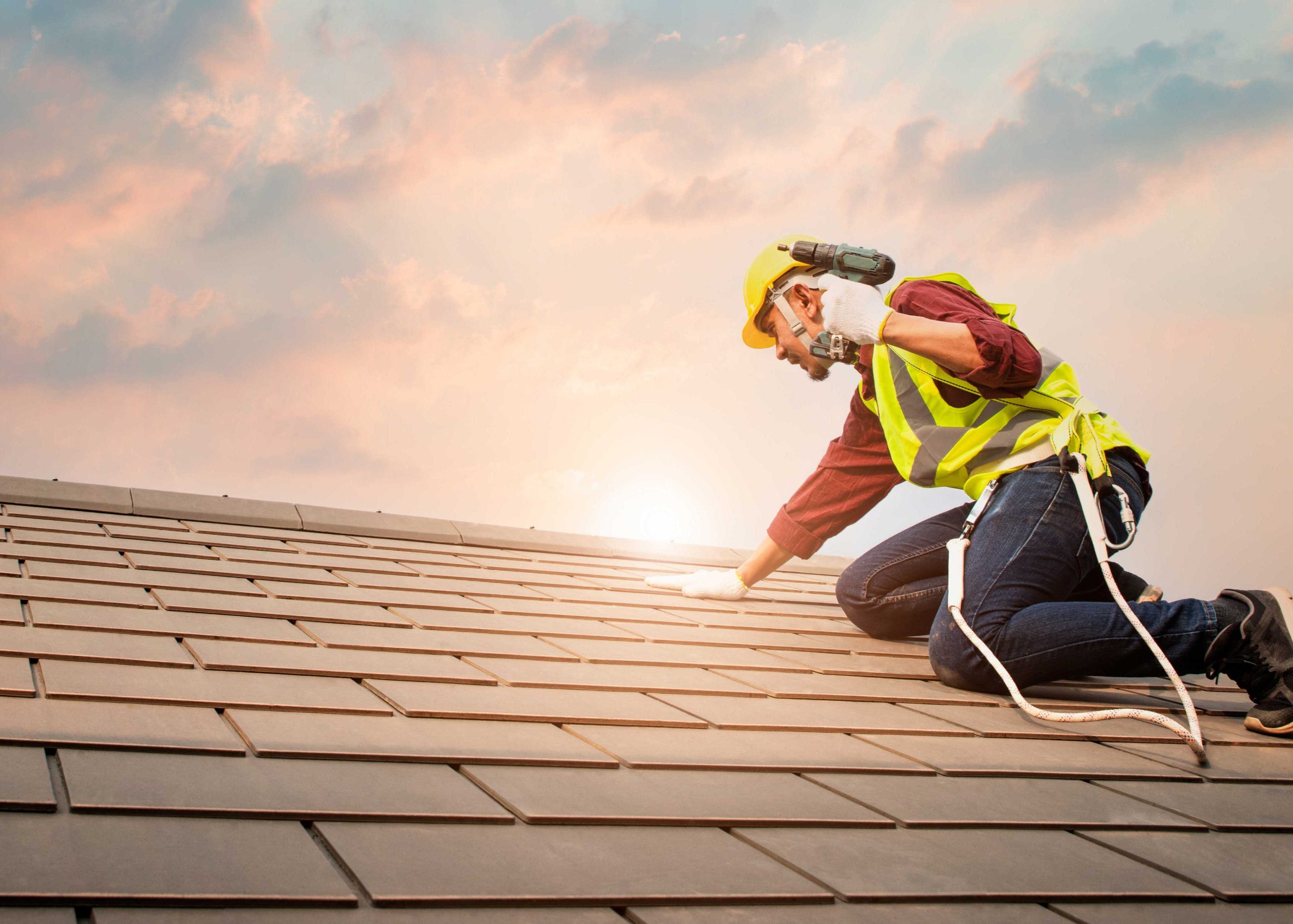
What are the most common types of emergency roof repairs?
When protecting your home from the elements, few things are as crucial as a well-maintained roof. Unfortunately, unexpected events can lead to the need for an emergency roof repair. Knowing what types of repairs are most common can help homeowners better prepare for and handle these situations. The first type of emergency roof repair typically encountered is damage caused by extreme weather conditions such as hail, wind, or rainstorms. High winds can cause shingles to break and fly off the roof, while rain can leave dents in metal roofs or rip shingles off asphalt roofs. Rainstorms can cause flooding that seeps through any weak spots in the roof and causes water damage inside the home. Regular roof inspections will help identify any weak areas before an emergency arises. Another type of emergency roof repair involves repairing or replacing broken flashing around skylights, chimneys, vents, and other openings on the roof. Flashing provides a waterproof barrier between these openings and the rest of the top, so if it becomes loose or damaged, it needs to be addressed quickly to avoid further damage to your home. Additionally, regular maintenance is required to keep all flashing securely against future storms and temperature changes.
Safety Considerations For Homeowners
Homeowners must address roof repair and maintenance issues as part of their responsibilities. Roof repair needs to be completed promptly to prevent more costly repairs in the future. Furthermore, safety is paramount when it comes to these types of restorations. Therefore, homeowners need to understand the most common types of emergency roof repairs and the safety considerations associated with them. The most common roof repair emergencies include missing shingles or tiles, cracked flashing, or damaged gutters. Missing shingles and tiles can cause water infiltration into the home, leading to wood rot and mold growth. Cracked flashing around vents, chimneys, or skylights can also allow moisture into the house, which can cause further damage over time. Damaged gutters can water pool around the home's foundation, putting it at risk for flooding or other structural damage. Regarding safety considerations for these emergency roof repairs, homeowners must take proper precautions. Homeowners should never attempt roof repair if they are not adequately trained or equipped with the necessary tools and safety gear, such as harnesses and ladders. It is essential to contact a professional roofer who has experience dealing with these kinds of repairs so that they can complete them safely and effectively. It is critical for homeowners to address any emergency roof repair needs promptly to avoid further damage down the line. Understanding the most common types of emergency roof repairs that may occur will help homeowners be better prepared for potential issues and how to respond quickly while maintaining safety standards.Assessment Of Damage
The assessment of damage is an essential step in emergency roof repair. A thorough inspection and evaluation of the roof structure, materials, components, and other related elements are crucial in determining the proper course of action. Inspection:- Visual inspection – assessing the overall condition of the roofing system, identifying any existing damages or potential problems, and finding evidence of recent repairs or maintenance activities.
- Structural inspection – checking for structural integrity, including verifying that the materials used are up to code and free from defects.
- Component inspection – inspecting each component individually to determine if it has been installed and functioning correctly.
- Damage evaluation – evaluating existing damage to determine its extent and severity and how it can be addressed.
- Cost evaluation – estimating the cost of repairs based on factors such as type and extent of damage, labor costs, material costs, etc.
- Safety evaluation – assessing potential safety hazards associated with existing damage or repairs that may need to be conducted to ensure safety for those working on the roof.
Leaks In The Roof
The most common types of emergency roof repairs are related to leaks. Leaks can occur from various sources, such as faulty flashing, cracked shingles, or clogged gutters. It is essential to address the leak as quickly as possible to prevent further damage. This often requires specialized knowledge and experience to diagnose the cause and repair the underlying issue properly. Leaks typically cause significant damage, including mold growth, wood rot, and structural weakness, if not addressed promptly. Sometimes, an entire roof section may need to be replaced due to water damage or age-related deterioration. Any leaking issues must be identified and resolved promptly to avoid further costly repairs. By promptly recognizing signs of water damage and calling in a qualified professional for repairs, homeowners can mitigate the risk of leaking roofs and maintain their home's structural integrity for years.Missing Or Damaged Shingles
Missing or damaged shingles are among the most common emergency roof repairs. Depending on the severity of the damage, these repairs can range from simple patch jobs to complete re-roofing. To assess the extent of the damage, an experienced roofer should be consulted. In cases where only a few shingles have been lost or damaged, replacing them with matching ones and repairing any further damage is often possible. This type of repair may also require re-sealing of any exposed areas to prevent further damage from occurring in the future. Additionally, a professional roofer can inspect for any underlying structural issues that may have caused the original injury, such as weakened flashing or improper water drainage. When more extensive repair work is necessary due to large numbers of missing or damaged shingles, a partial replacement may be recommended, this involves replacing some roof sections while leaving others intact for cost savings. A complete re-roofing job may also be recommended if there has been significant water infiltration into the home due to missing or damaged shingles. Regardless of the type of emergency roof repair required, homeowners need to hire an experienced professional to ensure that all necessary steps are taken during the repair process and that all safety precautions are followed properly.Broken Gutters And Downspouts
Moving on from missing or damaged shingles, one of the most common types of emergency roof repairs is fixing broken gutters and downspouts. These components are essential for proper drainage and play a vital role in protecting the integrity of a roof. Unmaintained gutters and downspouts can cause severe damage to the top if water overflows or pools, potentially resulting in water stains and rot. Here are 4 essential tips to remember when repairing broken gutters and downspouts:- Clean out debris- Removing leaves, twigs, and other debris is essential to avoid clogs leading to water overflows.
- Check for loose connections - Regularly check for loose connections between gutter sections or gutter sections and downspouts. If left unchecked, these loose connections can cause water leaks that may damage the roof structure or interior walls of your home.
- Inspect for rust - Rust indicates that your gutters may not function correctly, so inspecting them regularly for signs of corrosion or rusting metal parts is essential.
- Use sealants - When caulking around pipes, use a waterproof sealant such as silicone caulk to prevent water from seeping into small cracks or crevices that may form due to weathering or age-related wear-and-tear over time.
Impact Of Weather On Roofs
Weather is the most significant factor that can cause emergency roof repairs. The elements can wreak havoc on a roof, from high winds to heavy snowfall, extreme temperatures, to torrential downpours. High winds can cause damage by lifting and loosening shingles, while heavy snow can add considerable weight to the structure of a roof and potentially cause collapse. Similarly, extreme temperatures can cause the expansion and contraction of materials, such as metal flashing, that can break or tear away from the surface. In addition to weather-related incidents, moisture buildup from rain or snowmelt can lead to leaks in a roof that may require emergency repair. When water seeps into small cracks or gaps in a ceiling, it infiltrates insulation and other building materials, accelerating the deterioration process. These leaks could lead to more serious structural issues if not addressed quickly. Therefore, homeowners must take proactive measures to protect their roofs from weather-related damage and ensure they are in good condition year-round. Regular maintenance should include inspecting for signs of wear and tear, such as missing shingles, checking gutters for blockages, sealing vulnerable areas with waterproofing products like caulk or sealant, and clearing any debris from the roof's surface. These steps will help reduce the risk of costly emergency repairs due to weather-related incidents.Necessary Materials For Repairs
Regarding emergency roof repairs, several materials must be on hand for the repair to be successful. First, having roofing shingles of the correct size and shape for the particular job is essential. Other materials include:- Roofing nails
- Roofing cement
- Roof tar or sealant